Slow-Blues.com — Global Blues Encyclopedia
Back to artists
Alexis Korner's Blues Incorporated
Photo: Detlef Hansen, Alexis Korner at Fehmarn Festival, 1970 (Wikimedia Commons, CC BY-SA 4.0)
British

Alexis Korner's Blues Incorporated

This artist is no longer with us.
Born: 19 April 1928, Paris, France (Alexis Korner) · Died: 1 January 1984, London, England (Alexis Korner)• United Kingdom• Active: 1961–1966
British Blues BoomElectric Blues

The London blues workshop founded by Alexis Korner and Cyril Davies in 1961 whose rotating line-up — Jack Bruce, Charlie Watts, Ginger Baker — and audience of Jagger, Richards and Clapton made it the single most important incubator of the British blues boom.

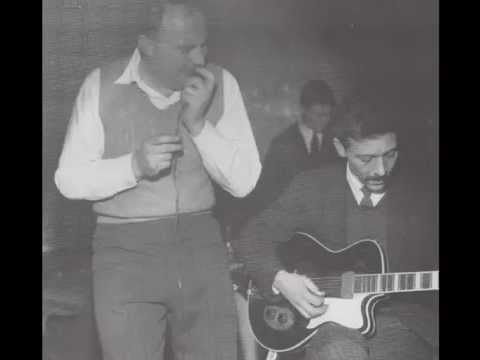
Alexis Korner's Blues Incorporated wasn't really a band in the conventional sense — it was closer to a workshop, a nightly experiment in electric blues that anyone serious about the music could walk into and, if they were good enough, sit in on. Founded in London in 1961 by guitarist/singer Alexis Korner and harmonica player Cyril Davies, it became, almost by accident, the single most important incubator in the history of British blues (Kilde: Wikipedia). Korner was born Alexis Andrew Nicholas Koerner on 19 April 1928 in Paris, to an Austrian Jewish father and a mother of Greek, Turkish and Austrian descent; he grew up across France, Switzerland and North Africa before the family settled in London around the outbreak of the Second World War. He later said his life changed direction when he heard the American blues pianist Jimmy Yancey on record during a German air raid: "From then on all I wanted to do was play the blues" (Kilde: Wikipedia). After the war he played guitar and piano in Chris Barber's Jazz Band, where in 1949 he met Davies; the two shared a deep, near-evangelical love of American blues records that almost nobody else in Britain was listening to. In 1955 Korner and Davies opened the London Blues and Barrelhouse Club above the Roundhouse pub in Soho, a tiny room where they played visiting American blues 78s to whoever would listen. Then, on 17 March 1962, they launched a "Rhythm and Blues Night" at the Ealing Jazz Club — the first fully amplified electric blues band to play regularly in Britain, at a time when British jazz purists actively despised electric instruments as vulgar and American. A Thursday-night residency at the Marquee Club followed on 3 May 1962 (Kilde: Wikipedia). What made Blues Incorporated historically decisive wasn't its record sales — modest at best — but who came to listen, and who ended up on stage. The band's own line-up rotated constantly and, at various points, included singer Long John Baldry, bassist Jack Bruce, drummer Charlie Watts, saxophonist Dick Heckstall-Smith, drummer Ginger Baker (replacing Watts) and organist Graham Bond (replacing Davies after he split off to form his own, harder-edged group in late 1962). In the crowd at the Ealing Club and the Marquee, soaking it up and sometimes sitting in themselves, were Mick Jagger, Keith Richards, Brian Jones, Eric Clapton, Jimmy Page, Rod Stewart, Paul Jones and John Mayall (Kilde: Wikipedia). Within two years, Watts and Jagger and (via Brian Jones and his circle) most of the future Rolling Stones had passed through Korner's orbit; Bruce and Baker would reunite years later in Cream with Clapton. The band's debut album, "R&B from the Marquee" (1962, Decca), recorded with Baldry on lead vocals, is generally regarded as the first British blues album ever released. Korner kept Blues Incorporated going, in various configurations, through 1966, releasing further albums including "Red Hot from Alex" (1964), "At the Cavern" (1964) and "Alexis Korner's Blues Incorporated" and "Sky High" (1965–66) — while, one by one, the musicians who'd passed through his band went off and invented British rock (Kilde: Wikipedia; Discogs). Korner never really chased their kind of fame himself. After Blues Incorporated wound down he moved between short-lived groups — Free At Last, and briefly mentoring the young band that would become Free itself, helping them land a deal with Island Records — before finding his greatest commercial success almost by accident, fronting the horn-driven studio project CCS with singer Peter Thorup in the 1970s; their cover of Led Zeppelin's "Whole Lotta Love" served as the theme tune for BBC's "Top of the Pops" for over a decade, 1970 to 1981 (Kilde: Wikipedia). From the mid-1970s on he became better known to the British public as a broadcaster than a performer, hosting BBC Radio 1's "Alexis Korner's Blues and Soul Show" (1977–1981) and the documentary series "Guitar Greats" (1983), his gravelly voice becoming a familiar sound on British radio and advertising voiceovers. Alexis Korner died of lung cancer in London on 1 January 1984, aged 55. He was posthumously inducted into the Rock and Roll Hall of Fame in 2024 in the Musical Influence category, with Keith Richards presenting the honour — a fitting bookend for a musician whose greatest legacy was never really his own records, but the room he built and kept open for everyone else's (Kilde: Rock and Roll Hall of Fame).

Musical Influence

Blues Incorporated sold few records, but its Ealing Club and Marquee residencies functioned as the founding classroom of British rock: the Rolling Stones, Cream and the entire British blues boom trace their roots directly to musicians who passed through Korner and Davies's band or stood in its audience (Kilde: Wikipedia).

Influences

Muddy WatersJimmy YanceyChicago electric blues

Formative experiences

  • •1949: Korner meets harmonica player Cyril Davies while both are playing in Chris Barber's Jazz Band. (Kilde: Wikipedia)
  • •1955: The two open the London Blues and Barrelhouse Club above the Roundhouse pub in Soho. (Kilde: Wikipedia)
  • •17 March 1962: Launch of the "Rhythm and Blues Night" at the Ealing Jazz Club — Britain's first regular electric blues residency. (Kilde: Wikipedia)
  • •3 May 1962: Thursday-night residency begins at the Marquee Club, London. (Kilde: Wikipedia)
  • •Late 1962: Cyril Davies departs to form his own harder-edged R&B group; organist Graham Bond joins. (Kilde: Wikipedia)
  • •2024: Alexis Korner is posthumously inducted into the Rock and Roll Hall of Fame in the Musical Influence category. (Kilde: Rock and Roll Hall of Fame)

Instruments & Equipment

Guitar

Acoustic & electric guitar

Korner's core instrument from the late 1940s onward; his first guitar was handmade by a friend.

Other

Amplified harmonica

Cyril Davies pioneered the amplified, distorted harmonica sound in Britain that became a signature of the band.

Vocals

Vocals

Korner sang lead on later recordings; Long John Baldry and others fronted the band in its early years.

Stories & Anecdotes

"Korner's life pivoted the moment he heard American blues pianist Jimmy Yancey on record during a German air raid on London: "From then on all I wanted to do was play the blues." (Kilde: Wikipedia)"
"Teenage Ealing Club regulars Mick Jagger and Keith Richards were only occasionally allowed to sit in with the band — most nights they simply watched from the crowd. (Kilde: Wikipedia)"
"Cyril Davies pioneered the amplified, distorted harmonica sound in Britain, a genuinely novel noise in 1962 that British jazz purists dismissed as vulgar. (Kilde: Wikipedia)"
"CCS, Korner's 1970s horn-driven studio project, had its cover of Led Zeppelin's "Whole Lotta Love" run as the BBC's "Top of the Pops" theme tune for eleven years (1970–1981) — heard by millions of viewers who never learned who was playing it. (Kilde: Wikipedia)"
"Korner recorded a rare, largely unreleased session with a then-unknown singer named Robert Plant on vocals, years before Plant joined Led Zeppelin; only two tracks, "Steal Away" and "Operator," are known to circulate. (Kilde: Wikipedia)"

Collaborators

Co-founder; pioneering amplified-harmonica player, left in late 1962 to form his own group.

Early drummer, later of the Rolling Stones.

Early bassist, later of Cream.

Drummer, replaced Watts; later of Cream.

Lead vocalist on the debut album "R&B from the Marquee."

Saxophonist across much of the band's run.

Organist, replaced Davies from late 1962.

Watch & Listen

Featured

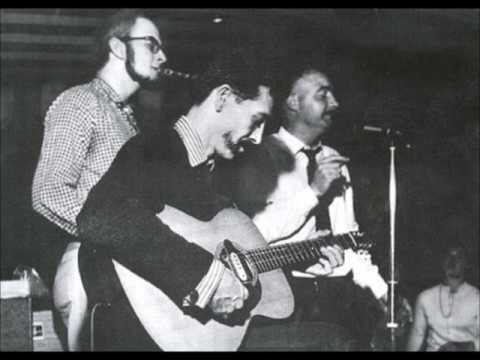
Alexis Korner's Blues Incorporated — I Got My Mojo Working

From the 1962 debut album "R&B from the Marquee."

Mike Papas
Watch & Listen

Henter videoer fra YouTube…

Discography

YearTitleProducerStudioLabelChartSalesMusiciansYouTubeNotes
1962R&B from the Marquee——Decca——Long John Baldry (Vocals), Cyril Davies (Harmonica), Charlie Watts (Drums), Dick Heckstall-Smith (Saxophone)Recorded live-in-studio with Long John Baldry on lead vocals; widely regarded as the first British blues album ever released.
1964Red Hot from Alex——Transatlantic——Graham Bond (Organ), Ginger Baker (Drums), Dick Heckstall-Smith (Saxophone)Recorded during the post-Davies, horn-driven phase of the band.
1964At the Cavern——Oriole——Graham Bond (Organ), Ginger Baker (Drums)Live album recorded at the Cavern Club, Liverpool.
1965Alexis Korner's Blues Incorporated——Fontana———Self-titled album from the mid-1960s configuration of the band.
1966Sky High——Spot———Final Blues Incorporated album before Korner moved on to other projects.

Famous songs

01I Got My Mojo Working
02Up Town
03Hoochie Coochie Man

Awards & Recognition

2024
Rock and Roll Hall of Fame
Musical Influence Award (posthumous, presented via Keith Richards)

External links

Sources

Keep SlowBlues independent. Official merch — wear the blues.

Shop merch