
Fleetwood Mac (Peter Green era)
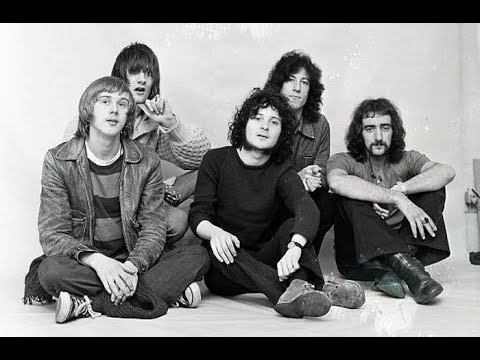
Before the pop reinvention with Buckingham and Nicks, this was — for three years under Peter Green, Jeremy Spencer and Danny Kirwan — arguably the finest blues band Britain ever produced, scoring a UK No. 1 with the instrumental "Albatross."
Musical Influence
For three years, Fleetwood Mac's original lineup was widely regarded — including, reportedly, by B.B. King himself — as the most authentic white blues band Britain produced, before mutating entirely into one of pop's biggest acts; the blues-era songs ("Black Magic Woman," "Oh Well") long outlived the lineup that wrote them (Kilde: Wikipedia; Rock and Roll Hall of Fame).
Influences
Formative experiences
- •July 1967: Peter Green forms the band immediately after leaving John Mayall's Bluesbreakers. (Kilde: Wikipedia)
- •13 August 1967: Debut performance at the National Jazz and Blues Festival. (Kilde: Wikipedia)
- •November 1968: "Albatross" becomes the band's first UK No. 1 single. (Kilde: Wikipedia)
- •September 1969: "Then Play On," including "Oh Well," released. (Kilde: Wikipedia)
- •20 May 1970: Peter Green plays his final show with the band. (Kilde: Wikipedia)
- •January 1998: The original blues-era lineup inducted into the Rock and Roll Hall of Fame. (Kilde: Wikipedia)
Instruments & Equipment
Stories & Anecdotes
"The band was literally named after a bassist who hadn't yet agreed to join it: Green and Fleetwood called the new group "Fleetwood Mac" specifically to entice John McVie away from his steady paycheck with John Mayall. (Kilde: Wikipedia)"
"Peter Green publicly credited 18-year-old Danny Kirwan for the band's breakthrough: "If it wasn't for Danny, I would never have had a number one hit record." (Kilde: Wikipedia)"
"Jeremy Spencer's devotion to Elmore James's slide-guitar style was so complete that much of his early recorded output is closer to direct tribute than original composition. (Kilde: Wikipedia)"
"Christine Perfect, later Christine McVie, guested on the 1968 album "Mr. Wonderful" years before formally joining the band's radically different pop-era lineup. (Kilde: Wikipedia)"
""Oh Well" remained in the band's live setlist for decades, surviving intact through the total reinvention of the band's sound and membership in the mid-1970s. (Kilde: Wikipedia)"
Collaborators
Drummer; the band's namesake and only member to remain constant through every era.
Bassist; joined weeks after the band was named after him.
Slide guitarist, founding member; departed suddenly mid-tour in 1971.
Third guitarist, joined 1968 at age 18; co-wrote "Albatross."
Guested on keyboards on "Mr. Wonderful" (1968) while still a member of Chicken Shack.
Watch & Listen
FLEETWOOD MAC 1968 (French TV), with Peter Green, Jeremy Spencer, Danny Kirwan
DoctorSDX
![Fleetwood Mac w/ Peter Green — Rattlesnake Shake [Live in Boston]](https://i.ytimg.com/vi/eq4ehZDuECg/hqdefault.jpg)

Watch & Listen
Discography
| Year | Title | Producer | Studio | Label | Chart | Sales | Musicians | YouTube | Notes |
|---|---|---|---|---|---|---|---|---|---|
| 1968 | Fleetwood Mac (debut) | Mike Vernon | — | Blue Horizon | — | — | Peter Green (Guitar, vocals), Jeremy Spencer (Slide guitar), John McVie (Bass), Mick Fleetwood (Drums) | Reached No. 4 UK; largely original blues material rather than covers, unusual for the era. Includes "Black Magic Woman." | |
| 1968 | Mr. Wonderful | Mike Vernon | — | Blue Horizon | — | — | Christine Perfect (Keyboards (guest)) | Recorded live-in-studio with a horn section; Christine Perfect guests on keyboards. | |
| 1968 | "Albatross" (single) | Mike Vernon | — | Blue Horizon | — | — | Danny Kirwan (Guitar) | Instrumental co-credited to Green and 18-year-old new guitarist Danny Kirwan; the band's first UK No. 1. | |
| 1969 | Then Play On | — | — | Reprise | — | — | Danny Kirwan (Guitar) | First album as a five-piece with Danny Kirwan; includes "Oh Well." | |
| 1970 | "The Green Manalishi (With the Two Prong Crown)" (single) | — | — | Reprise | — | — | — | Recorded in Hollywood, April 1970; Peter Green's final recording with the band before his departure. |
Famous songs
External links
Booking / Contact
This entry covers the historical Peter Green-era lineup (1967–1970), which ended when Green left the band. Fleetwood Mac itself continued in later lineups — no current booking applies to this specific historical era.
Are you the artist, or do you represent the band or booking agency? We want the booking information here to always be accurate and current. Please send us the correct details via our contact form, and we'll update the profile as soon as possible. Go to the contact form